Recent Developments in the Ridesharing and Delivery Gig Economy
April 4, 2026
Updated Apr 5, 2026, 5:59 PM UTC
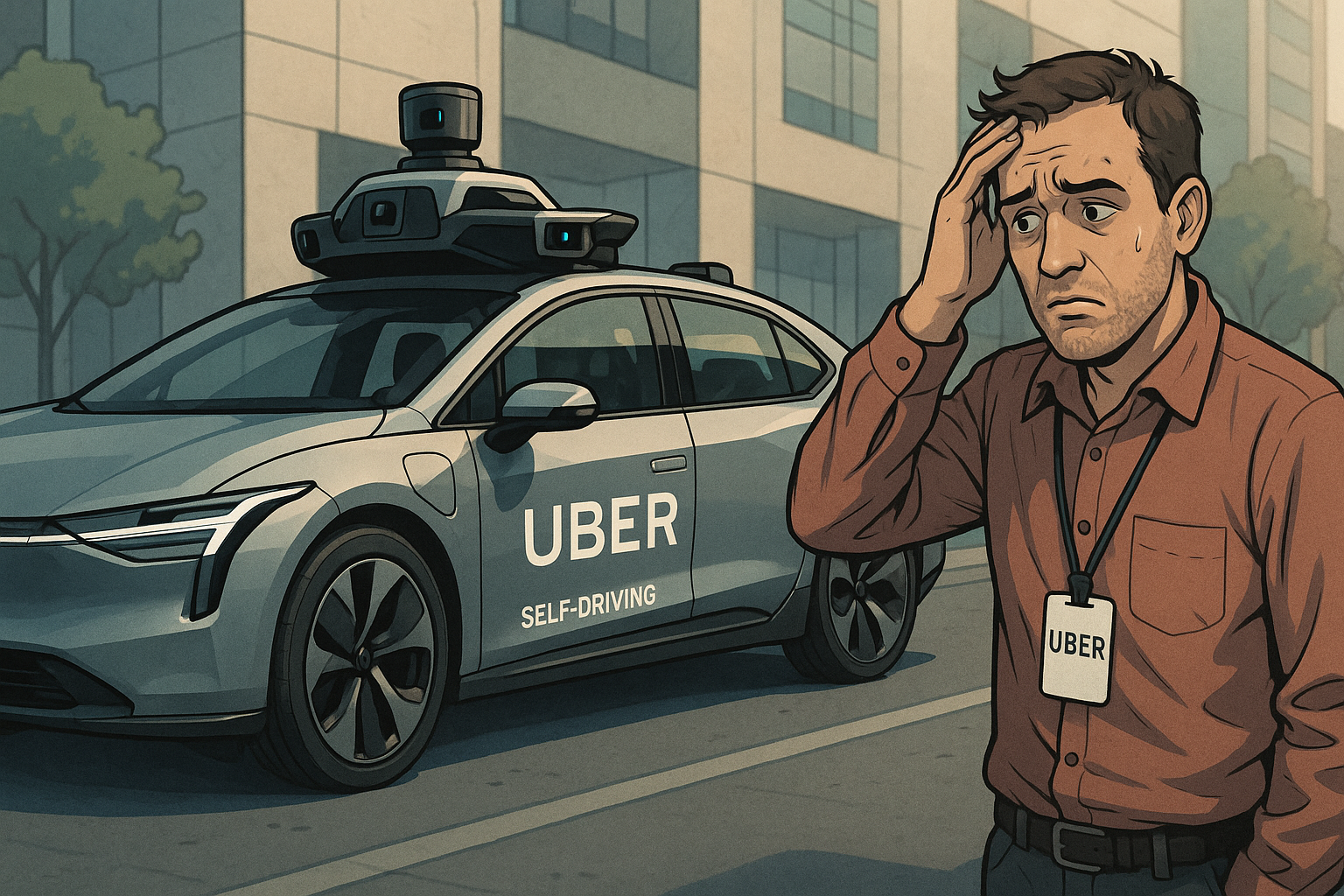
Uber's $1.25 Billion Investment in Autonomous Vehicles
Uber has announced a significant investment of $1.25 billion into autonomous electric vehicles, partnering with Rivian to deploy an initial fleet of 10,000 robotaxis. This move aims to reduce operational costs and address driver shortages. However, it raises concerns among current drivers about job security and the future of human-operated ridesharing services. [Source 1]
Seattle's Gig Worker Pay Law Shows Limited Impact
Seattle's legislation to increase pay for gig workers, particularly those in delivery services, has not led to substantial changes in earnings. Despite the law's intent to provide better compensation, many drivers report minimal differences in their paychecks, prompting discussions about the effectiveness of such policies. [Source 2]
Rise of Worker-Owned Gig Platforms
In response to challenges within the gig economy, worker-owned platforms are gaining traction. The Drivers Cooperative, established in 2021, offers drivers better earnings and decision-making power. Similarly, Nosh Delivery, owned by local restaurants, aims to keep more profits within the community. These models present alternatives to traditional gig platforms, emphasizing fair compensation and worker participation. [Source 3]
Sources
Enjoyed this post?
0 Comments
Only signed-in users can post0/1200
Please sign in to post a comment.
Loading comments...