Recent Developments in the Ridesharing and Delivery Gig Economy
April 17, 2026
Regulatory Changes Impacting Gig Workers
Seattle's Minimum Pay Law and Its Unintended Consequences
In January 2024, Seattle implemented a law requiring delivery apps to pay drivers a minimum rate per task. While the intention was to ensure fair compensation, studies have shown that despite an increase in base pay per delivery, drivers' total monthly earnings remained largely unchanged. This stagnation is attributed to reduced customer orders and lower tips, offsetting the intended benefits of the policy. [Source 1]
Technological Innovations in the Gig Economy
DoorDash's 'Tasks' App: A New Avenue for Gig Workers
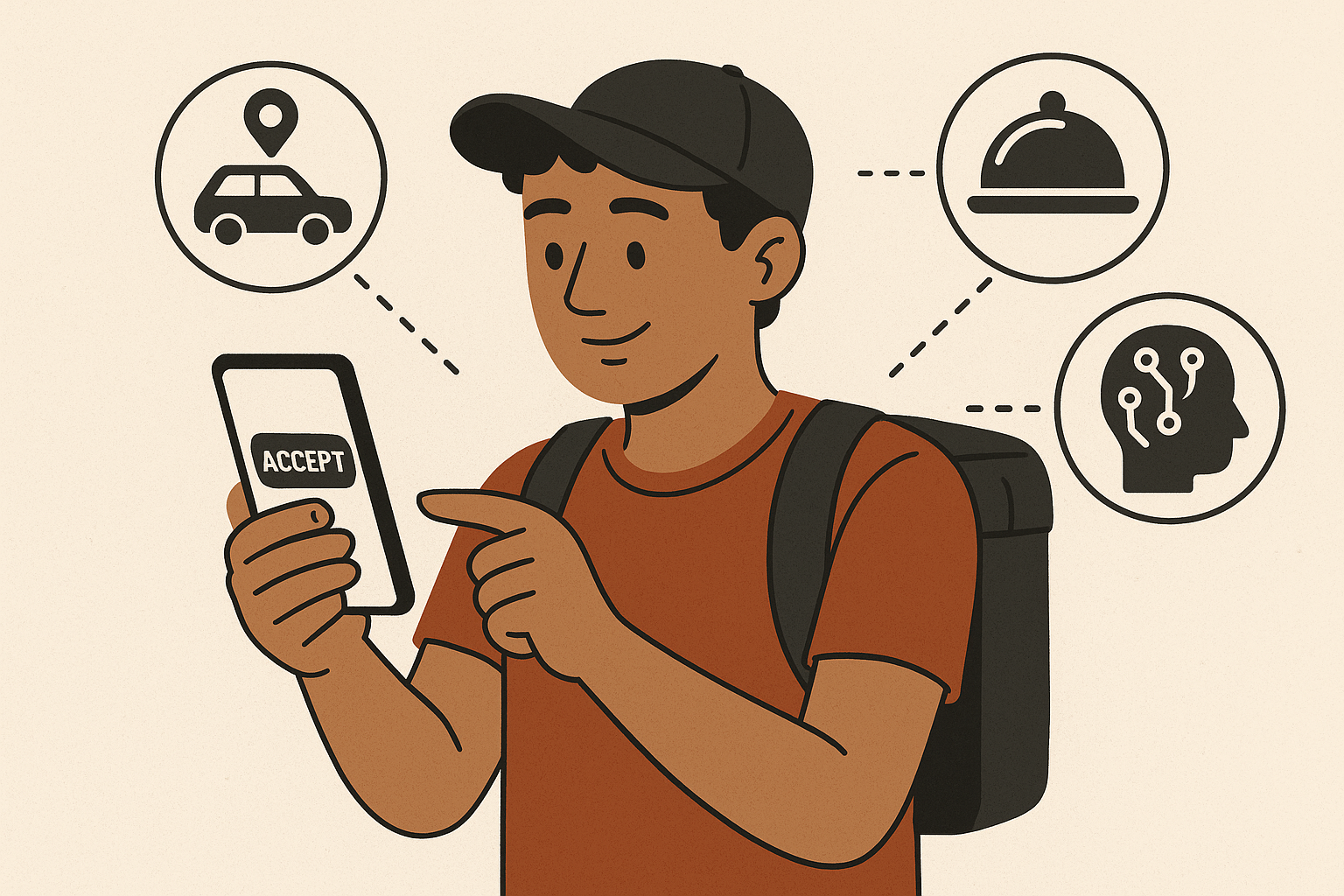
DoorDash has introduced 'Tasks,' a standalone app that allows its couriers to perform various assignments beyond traditional deliveries. These tasks include recording audio and video data to train AI models and robotics systems. This initiative not only diversifies income opportunities for gig workers but also positions DoorDash as a significant contributor to AI development. [Source 2]
Waymo's Collaboration with DoorDash for Vehicle Maintenance
Autonomous vehicle company Waymo has partnered with DoorDash to address operational challenges, such as ensuring vehicle doors are properly closed. Gig workers are now being compensated up to $24 to perform tasks like closing doors on Waymo's self-driving cars, highlighting the evolving nature of gig work in supporting emerging technologies. [Source 3]
Market Trends and Economic Factors
Disparity Between Rideshare Prices and Driver Earnings
Recent reports indicate a significant increase in rideshare prices, with a 9.6% surge from December 2024 to December 2025. However, driver earnings have only seen a marginal increase of 3.6% per trip during the same period. This growing disparity raises concerns about the sustainability of driver incomes amidst rising consumer costs. [Source 4]
Impact of Rising Gas Prices on Gig Workers
The recent surge in gas prices, reaching 21-month highs, has placed additional financial strain on gig workers who rely on their vehicles for income. Some drivers are advocating for policy changes from companies like Uber and GrubHub to mitigate the impact of increased fuel costs on their earnings. [Source 5]
Sources
- Seattle's new minimum pay for app deliveries raised base pay, but tips fell
- Gig Economy Becomes New AI Training Ground
- Some Waymo riders are so lazy that gig workers are getting paid $24 to close the door for them
- Surge in Rideshare Prices Outpaces Driver Earnings: Key Insights from 2026 Gig Mobility Report
- Gas prices strain gig workers in ride sharing, delivery
Enjoyed this post?
0 Comments
Only signed-in users can post0/1200
Please sign in to post a comment.
Loading comments...